

Where Life Takes Root
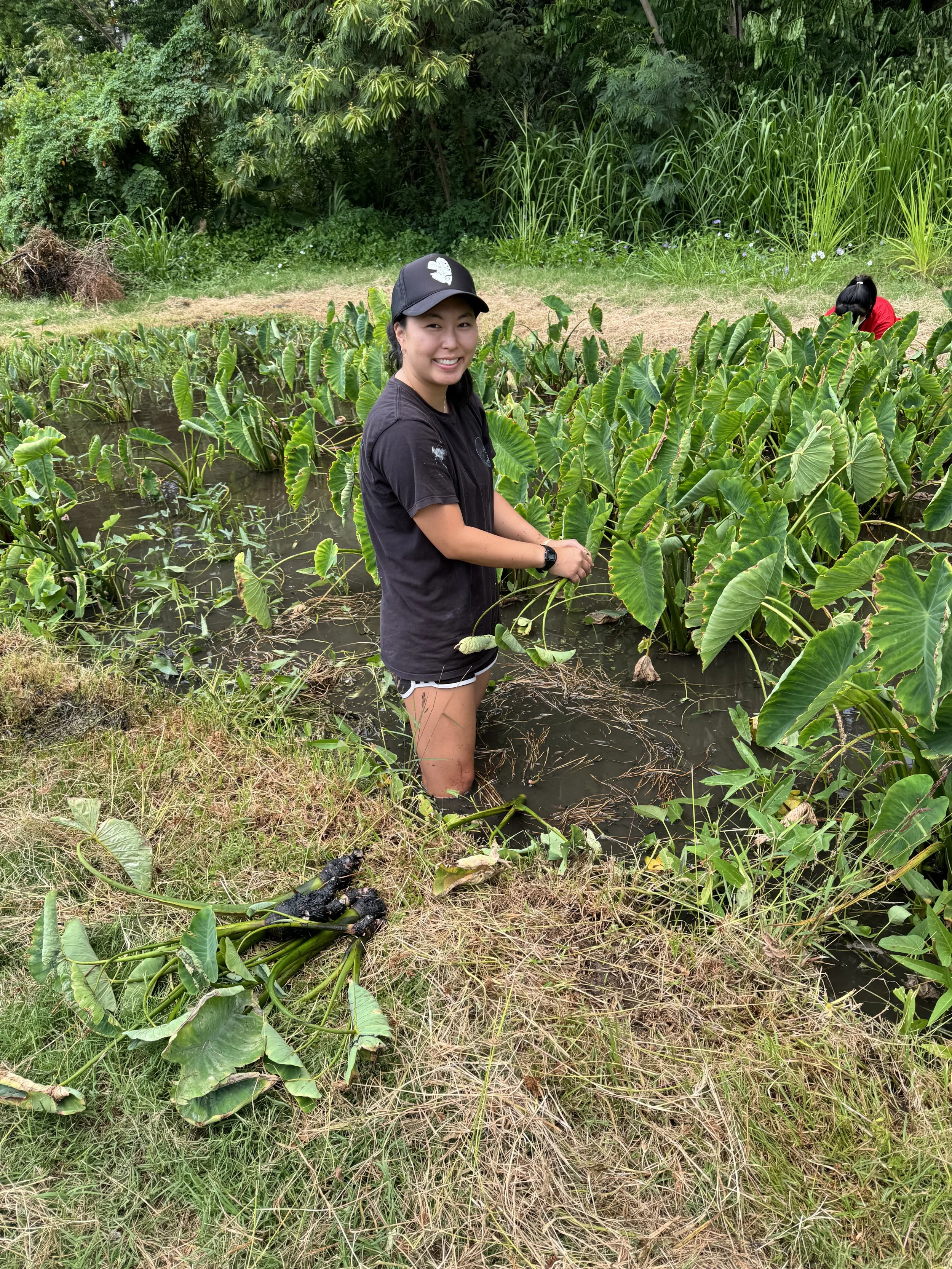
Cassie Chee ’21 is nurturing healing for land and people in Hawai‘i.
“At Garrett, I learned to move at the speed of community.” As Cassie Chee reflects on the experience 5 years later, it’s a lesson that continues to evolve in unexpected ways.
After graduating with her MDiv, Chee accepted a faith-based organizing job and later transitioned to work with the ACLU of Hawaiʻi, integrating her neighbors and houses of worship into the work to protect and expand civil liberties. That work transitioned into a job with the Hawaiʻi Council for the Humanities, working on language revitalization projects and initiatives to fund local arts and culture. After that position was eliminated due to federal budget cuts, a different kind of person might despair or question the call to community-based service.
However, while upset about her program’s termination, Chee has accepted the transition with a sanguine peace. “As you can imagine, it’s been a season where I’m looking for hope,” she says with a small laugh. “What helps my faith get there is remembering the prayers and promises of those who came before me, believing that those will be fulfilled.”
That link to ancestry is part of what drew Chee to Hawaiʻi in the first place. While she did not grow up on the islands, it’s the land where her father’s family lived. Initially, she returned to spend more time with her grandmother, but soon she found herself increasingly woven into the struggles for land reclamation. “It feels fated that my Garrett advisor was Dr. Anne Joh, who writes so powerfully about decolonial theologies anddemilitarization,” Chee notes. “Studying with her prepared me to come here. 25% of the land on the island I live on is occupied by military bases, so I’m always thinking theologically about how we can center community and live in solidarity when people are increasingly displaced by militarism’s environmental and ecological impacts.”
Church, in this context, extends beyond the brick-and-mortar buildings people often link to that word. “Land has been an inherent part of spiritual life in Hawaiʻi long before the Church was here,” she notes. “Spirituality has always been deeply connected to land, but more and more people are integrating that into their religious experiences. I’m not Hawaiian but anyone who lives here—regardless of race—needs to take that relationship seriously.” Hoʻōla Hou iā Kalauao, a nearby taro farm has become an important nexus for both her faith and her evolving sense of ministry. “It really is my church right now,” she says reverently. “It’s the place where I have community, where I meet with friends and pray.”
It’s a process that unfolds with intentional slowness, learning from elders, listening to people who have led this work in both formal and informal ways. “We’ve been using the word kīpuka, a sanctuary, a clear place in a lava bed that is a refuge for seeds and animals that can eventually repopulate the surrounding land,” she explains. “In this place that has become very urbanized and overrun with tourism, what does it look like to deepen relationships in community through cultural practices and traditions. That’s where I see God moving, these days.” In some ways, it’s an affirmation: Federal cuts may eliminate jobs, but they can’t stop the work people have long been doing.
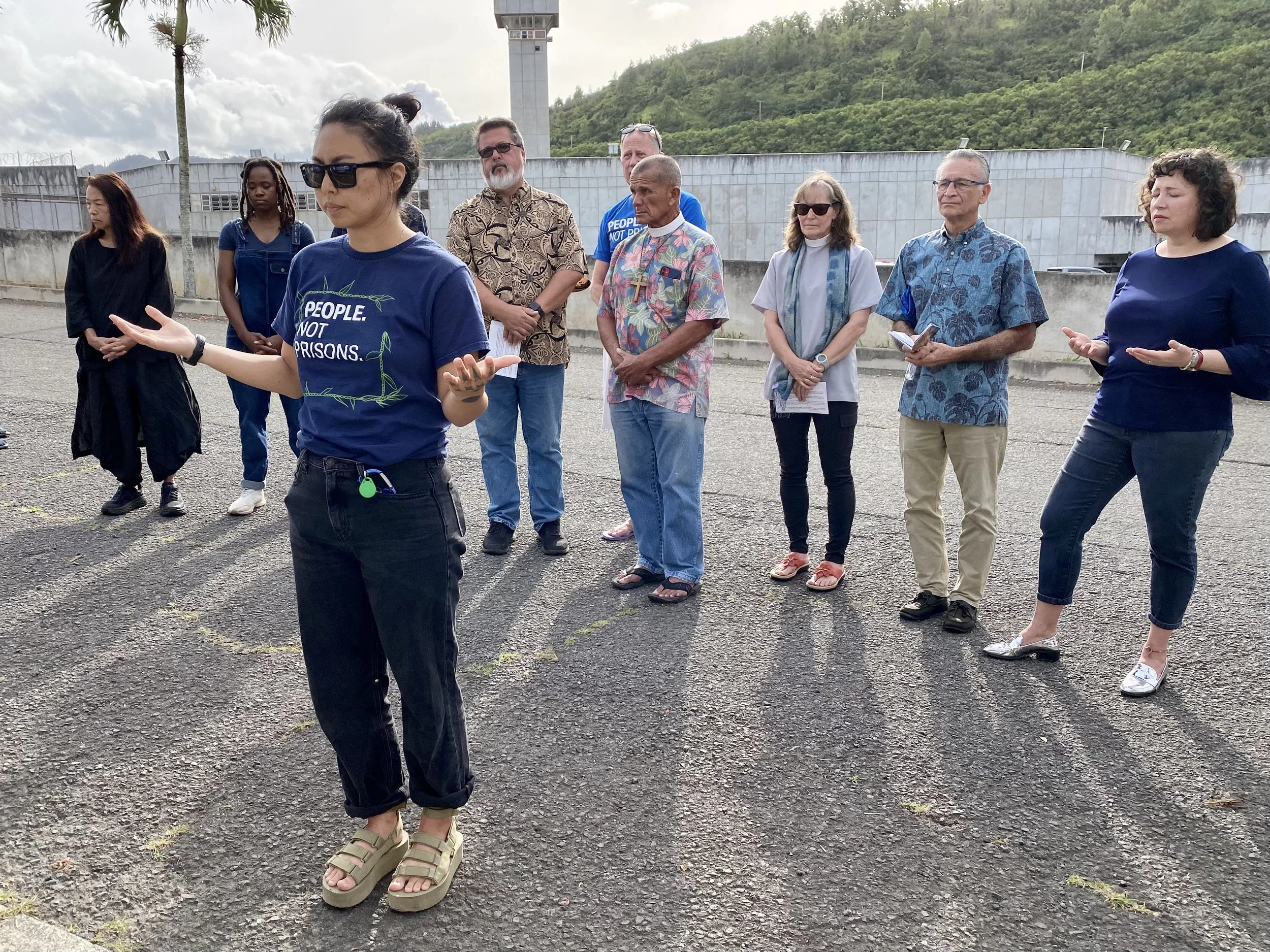
Throughout her experiences since moving to Hawaiʻi, conversations and classes that shaped her at Garrett continue to resonate. “At seminary, my mentors were often groundbreakers—the first person in their field to do something. But the question so many of us were asking is, ‘What does it mean to be the last?’” she says. “What does it mean to know that systems are falling apart—suddenly or slowly? How do we learn and fumble together as we build new forms of meaning and calling, new forms for church? It was so meaningful to ask those questions in community.”
Chee is actively searching for new jobs in local organizing, while offering pulpit supply for local churches and continuing to build relationship with land and neighbor. She’s particularly excited about work around decarceration and labor rights that is unfolding, but she’s also learned to hold the future loosely. “I’m just trying to nurture spaces where people can tell their stories,” she confesses, “because there’s something happening here.”
An Investment in the Local Parish
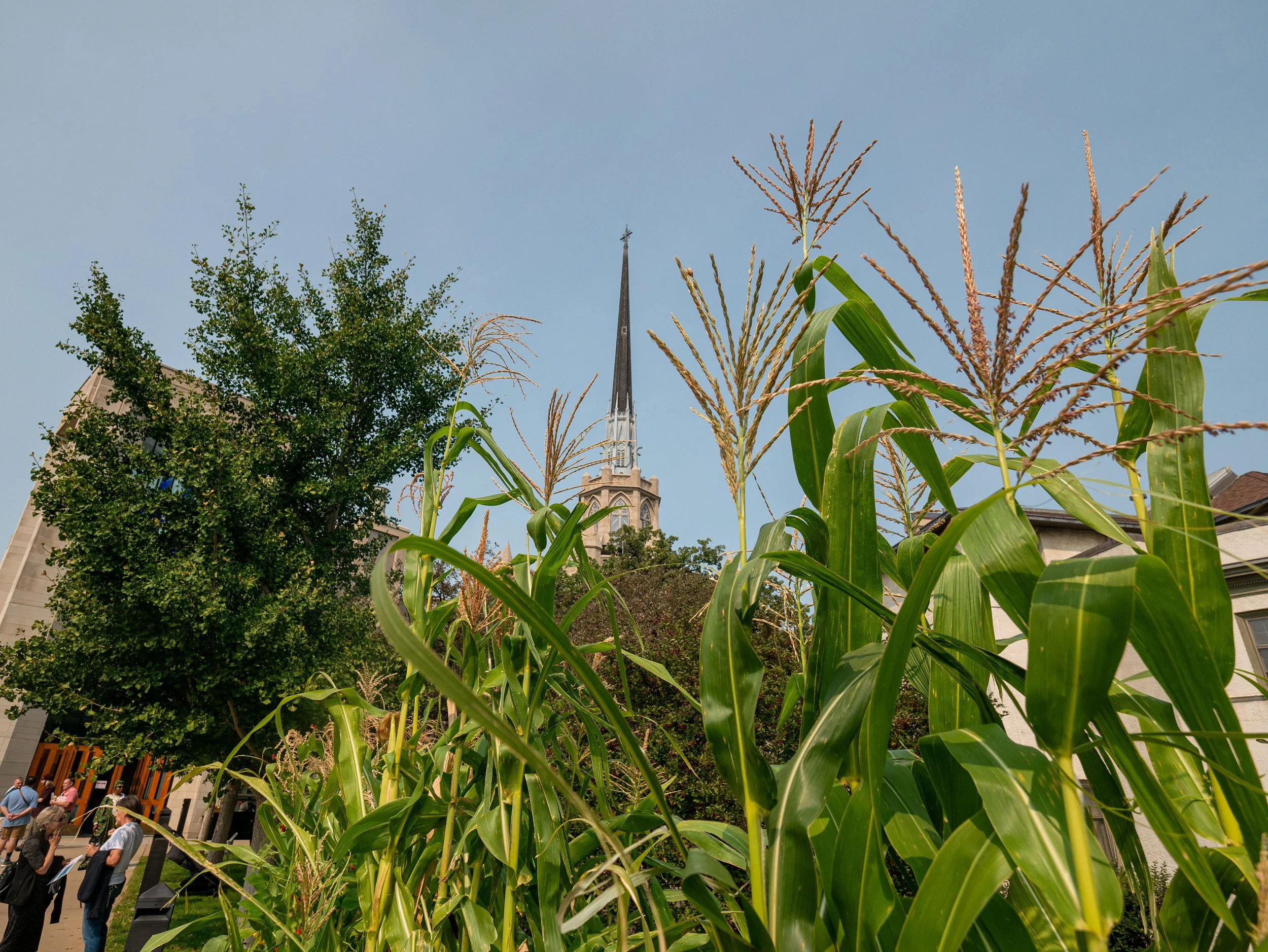
The Center for Ecological Regeneration helps create “A Cathedral for All Creation.”