

A Theology of Accompaniment
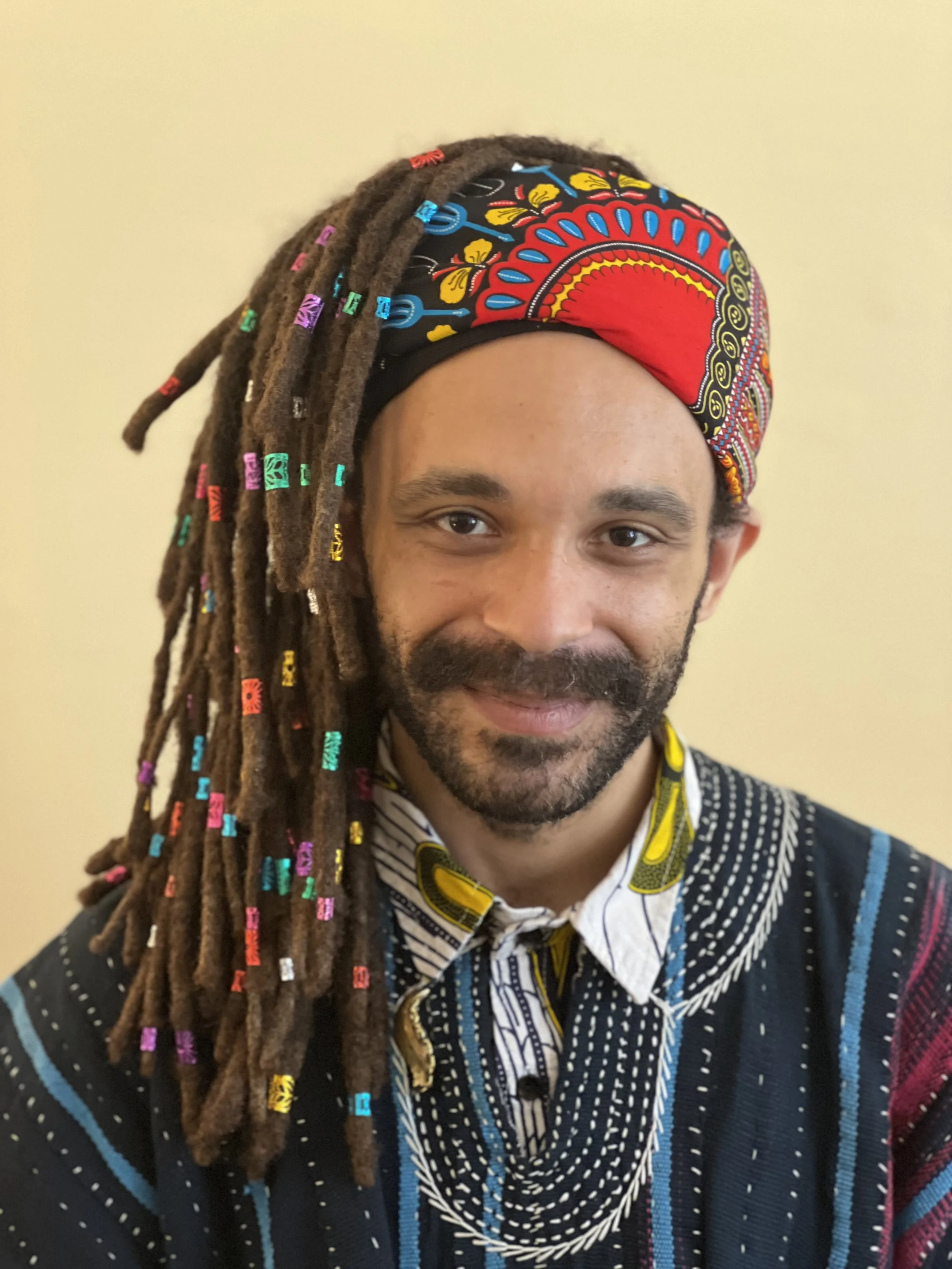
Patrick Paddock ’26 is ready to accept clients to his clinical practice.
There are many programs one can complete to become a licensed clinician. Increasingly however, students like Patrick Paddock are turning away from traditional psychology or social work degrees and choosing to enroll in Garrett’s Master of Arts in Pastoral Care and Counseling. “Counseling is a relational process,” they explain, “but there’s also a very existential framework to the work I do. The program at Garrett has a very differentfoundation; that’s what appealed to me.” After graduating this May, Paddock has passed their licensing exam and is in the process of applying for state licensure. Now, they are ready to begin accepting patients as a pre-license professional—in-person in Chicago or via telehealth anywhere in Illinois, as part of the Lakeview-based Inclusive Insight therapy network.
Inclusive Insight has deep roots in Chicago’s LGBTQIA+ communities, and Paddock is grateful for the ways that Garrett invited him to consider the lenses he brings into care work as a Black, queer counselor.
While many therapy paradigms encourage providers to think of themselves as wholly neutral or objective observers, Garrett is clear: You cannot separate your own life, trauma, and particularity from the care you offer. “Across the board, there’s a conviction at Garrett that the client is the expert in their own life. That post-modern approach runs through our coursework; we’re trained to be collaborative,” they explain, drawing a link between that training and their current practice. “Inclusive Insight also brings a wider decolonial approach to therapy—people are experiencing problems that, maybe a decade ago, would have been written off as pathology, but it’s because their lived realities diverge from the privileged norms that have traditionally defined the industry.”
Again, it’s a shift that highlights the strengths of Garrett’s program. When a school begins in the belief that every person is created in God’s image—an indwelling holiness that must be nurtured and liberated—it creates a different set of expectations than a program that begins from an understanding that people are suffering illnesses whose symptoms must be treated. “In my internship experiences, I repeatedly encountered people whose identities were subjected to marginalization, a violence that cut people off from the ability to create a full sense of meaning for their lives,” Paddock notes. “And still, people are resilient. I’ve witnessed how people are able to recreate meaning even after that estrangement. Social circumstance is not destiny.”
This theological dimension to offering care has encouraged Paddock to also pursue ordination as a deacon in the Episcopal Church. “I’ve been thinking about the Parable of the Sower—asking what it means to grow a fruitful field,” they say. “Priests act like worms in the earth, making soil fertile. But the diaconate is like the butterflies and bees, going between the various crops to make sure that everyone is sharing, pollinating, and growing together.”
The drive to offer better care has also inspired him to return to Garrett, where he has enrolled in the PhD program for pastoral theology. “I’ve been sitting with this truth: that our societies fail people so badly. One of the benefits of personal therapy is that it can provide a safe space to discuss and process these failures,” they say. “But I’m wondering how else we can move people toward spaces of flourishing. I already knew the faculty I would be working with in this program, and it felt like a great fit for really have the space to explore that.”
For now, however, they’re sitting with the joy of getting to accompany folks on that journey. “People are holding so much in their lives, it can take a lot to even begin therapy,” they observe. “It’s just such an honor and a privilege to be invited in as a helper.”
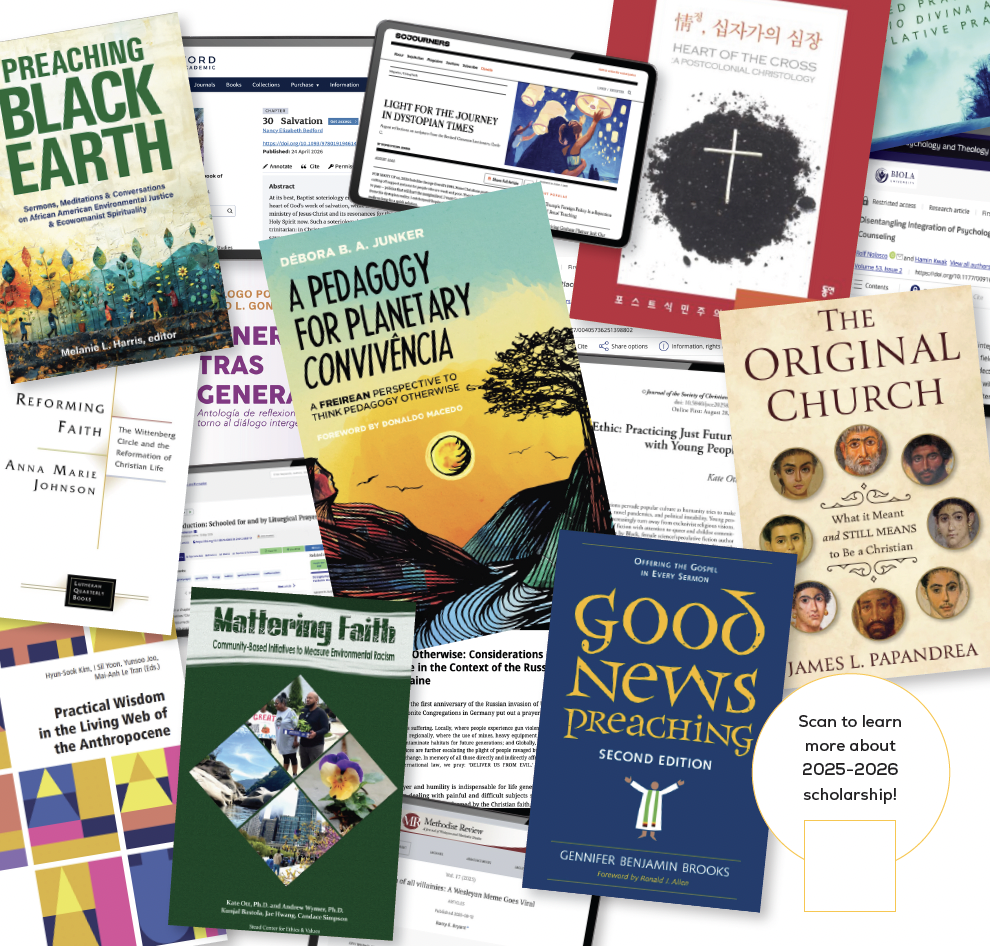
Faculty Publications
The wisdom of Garrett’s professors extends far beyond the classroom. Their research strengthens churches, shapes scholarly understanding, and offers ethical insights.